
Complete Guide to Restoration Management Software: Streamline Your Business
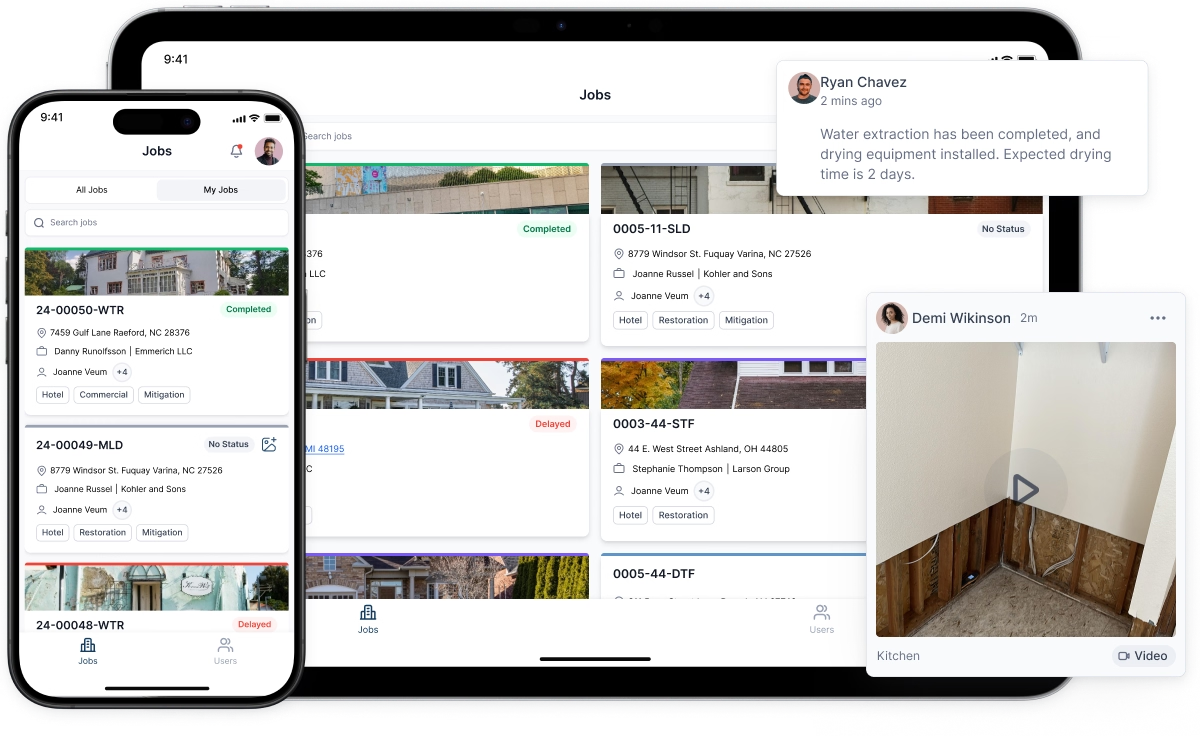
Introduction to Restoration Management Software
In today's competitive restoration industry, having the right tools can make all the difference between a successful operation and a struggling business. Restoration management software has evolved into an essential component for companies looking to streamline their workflows, improve accuracy, and boost profitability. Whether you're managing a small restoration team or overseeing multiple large-scale projects, modern software solutions provide the infrastructure needed to handle complex operations seamlessly.
The restoration industry encompasses water damage restoration, fire damage remediation, mold removal, and countless other specialized services. Each project presents unique challenges, from initial assessment to final completion. Without proper management systems in place, restoration companies often struggle with scheduling conflicts, inaccurate estimates, lost documentation, and poor customer communication. This is where restoration project management software becomes invaluable.
Understanding Restoration Scope in Project Management
One of the most critical aspects of restoration work is accurately defining the restoration scope for each project. The scope encompasses every aspect of the work to be completed, including what will be addressed, what won't be addressed, the timeline, and resource requirements. Poor scope definition leads to misunderstandings with clients, budget overruns, and project delays.
Restoration management software enables teams to document the restoration scope with precision. Digital tools allow you to create detailed assessments, attach photos and videos, and establish clear project parameters that all team members can access. This transparency reduces miscommunication and ensures everyone understands what needs to be accomplished before work begins.
When restoration scope is properly documented in your software system, it becomes easier to track progress, manage resources, and maintain accountability throughout the project lifecycle. Team members can reference the scope at any point, and clients can receive clear documentation of what their restoration project includes.
The Power of Xactimate Estimates in Restoration Work
Xactimate estimates have become the industry standard for property restoration assessments. These detailed, accurate estimates are crucial for securing insurance approvals and ensuring profitability on each project. Xactimate estimates provide comprehensive line-item breakdowns that insurance companies recognize and trust.
When integrated with restoration management software, xactimate estimates become even more powerful. Modern platforms allow you to generate, modify, and manage xactimate estimates directly within your system, eliminating the need for separate software and reducing manual data entry errors. This integration streamlines the estimation process and ensures consistency across all your projects.
The ability to quickly produce accurate xactimate estimates gives restoration companies a competitive advantage. Faster estimates mean quicker project approvals, happier clients, and faster project starts. When your restoration software can generate professional estimates efficiently, you reduce administrative overhead and free up your team to focus on actual restoration work.
Building Strong Client Relationships with Restoration CRM
Customer relationship management is often overlooked in the restoration industry, yet it's critical for business growth. A restoration CRM integrated into your management software helps you track every interaction with clients, from initial contact through project completion and beyond. This creates a comprehensive history of each customer relationship.
With restoration CRM functionality, you can automate follow-ups, track warranty information, maintain detailed contact records, and manage customer communications from a centralized platform. When a client calls with a question or new request, your team has instant access to their complete project history, previous communications, and any relevant documentation.
This level of organization not only improves customer satisfaction but also increases opportunities for repeat business and referrals. Clients appreciate working with companies that remember their preferences, maintain clear records, and provide responsive service. A well-implemented restoration CRM turns one-time customers into loyal, repeat clients who recommend your services to others.
Core Features of Effective Restoration Software
Comprehensive restoration software should include several key features designed specifically for the restoration industry. Beyond basic project management, your software needs to handle the unique demands of restoration work. Here are the essential components:
Scheduling and Resource Management: Coordinate team members, equipment, and subcontractors across multiple projects simultaneously. Ensure optimal resource allocation and prevent overbooking.
Financial Management: Track costs, manage invoices, monitor profitability, and generate financial reports. Integration with accounting systems streamlines billing and payment processing.
Mobile Accessibility: Allow field teams to access project information, update progress, upload photos, and communicate in real-time from job sites.
Water Damage Logs: Maintain detailed water damage logs documenting moisture readings, drying equipment placement, environmental conditions, and dehumidification progress. These records are essential for insurance claims and demonstrating professional standards.
Documentation and Photo Management: Organize and store all project photos, diagrams, and documentation in a centralized location with easy search and retrieval capabilities.
Optimizing Workflow with Water Damage Logs
Water damage restoration requires meticulous documentation, and water damage logs are a critical component of this process. These logs track every important metric throughout the drying process, including moisture content, humidity levels, temperature, and equipment placement. Professional water damage logs demonstrate competence to insurance companies and protect your company from liability claims.
Modern restoration software should automate much of the water damage logging process. Mobile apps allow technicians to input readings directly from the field, and automated systems can track this data over time, showing the progression of the drying process. This eliminates manual paperwork, reduces errors, and creates professional documentation that insurance companies require.
By maintaining comprehensive water damage logs within your restoration software, you create an auditable record that protects both your company and your customers. Insurance companies are more likely to approve claims with detailed, professional documentation, and clients appreciate the transparency and professionalism demonstrated by thorough logging.
Choosing the Right Restoration Project Management Software
Selecting restoration project management software requires careful consideration of your specific business needs. Not all software solutions are created equal, and choosing the wrong platform can actually hinder your operations rather than improve them.
When evaluating restoration software options, consider these factors:
Industry-Specific Features: Look for software designed specifically for restoration companies, with built-in support for xactimate estimates, water damage logs, and restoration scope documentation.
Integration Capabilities: Ensure the software integrates with other tools you use, such as accounting software, Google Workspace, Microsoft Office, and existing CRM systems.
Ease of Use: Your team needs to adopt the software quickly and use it intuitively. Complex, difficult-to-use platforms lead to poor adoption and wasted investment.
Scalability: Choose software that grows with your business. Whether you're managing five projects or fifty, the platform should scale accordingly without performance issues.
Customer Support: Reliable customer support is essential. Look for providers that offer training, documentation, and responsive support channels.
Mobile-First Design: Since much of restoration work happens in the field, mobile functionality is non-negotiable. Your software should work seamlessly on smartphones and tablets.
Maximizing ROI with Restoration Management Software
Investing in restoration management software should deliver measurable returns. While there's an initial cost in software licensing and implementation, the benefits typically far outweigh these expenses. Here's how restoration software drives ROI:
Reduced Administrative Time: Automation eliminates hours of manual paperwork and data entry each week. Your team spends less time on administrative tasks and more time generating revenue.
Improved Accuracy: Fewer errors mean fewer disputes with clients and insurance companies. Accurate estimates and documentation reduce costly revisions and claim denials.
Faster Project Completion: Better coordination and communication accelerate project timelines. Faster completion means faster cash flow and increased capacity to take on additional projects.
Better Client Retention: Superior organization and communication lead to higher customer satisfaction and more repeat business. A satisfied customer is worth far more than the cost of your software investment.
Competitive Advantage: Professional, organized companies win more bids and command higher prices. Restoration software helps you present yourself as a professional operation.
Implementing Restoration Software Successfully
Successful software implementation requires planning and commitment from your entire team. Here's a roadmap for successful deployment:
Start with Leadership Buy-In: Ensure your leadership team understands the benefits and commits to supporting implementation.
Plan Your Implementation: Don't try to implement everything at once. Start with core features and expand gradually as your team becomes comfortable with the platform.
Train Thoroughly: Invest time in comprehensive training for all team members. The software's value depends on consistent, proper usage.
Establish Protocols: Create clear guidelines for how different features should be used. Consistent usage ensures data consistency and reliability.
Monitor and Optimize: Track adoption rates and gather feedback from users. Make adjustments and optimizations based on real-world usage patterns.
Integrate with Existing Systems: Connect your restoration software with your accounting, CRM, and other business systems to create a unified platform.
Conclusion: Transform Your Restoration Business
Restoration management software is no longer a luxury—it's a necessity for companies wanting to compete and grow in today's market. From managing restoration scope and generating xactimate estimates to maintaining water damage logs and nurturing customer relationships through restoration CRM, modern software solutions handle every aspect of your restoration business.
The right restoration project management software transforms how your company operates. It reduces costs, improves quality, accelerates projects, and enhances customer satisfaction. By carefully selecting a platform that fits your specific needs and committing to proper implementation and training, you can unlock significant competitive advantages and drive substantial business growth.
Your restoration software is an investment in your company's future. Choose wisely, implement thoroughly, and watch your business transform with enhanced efficiency, professionalism, and profitability.


